Most businesses don’t fail because they don’t spend enough on marketing.
They fail because they spend without direction.
A strategic marketing plan is not a “nice to have.” It is the operating system for growth. Without it, marketing becomes reactive, fragmented and impossible to measure. With it, every dollar, channel and campaign works toward a defined commercial outcome.
At BEAM Marketing, we consistently see the same issue across organisations of all sizes: marketing activity without a roadmap. The result? Noise without momentum, spend without return, and teams working hard without clarity.
A strategic marketing plan fixes this.
A proper marketing roadmap aligns business objectives, customer needs and execution into one clear, actionable framework. It answers the questions leadership teams actually care about:
Without these answers, marketing defaults to ad-hoc campaigns, last-minute requests, and tactics driven by opinion rather than data.
A strong roadmap turns marketing into a commercial growth lever, not a cost centre.
In theory, most businesses “have a plan.” In reality, those plans fail because:
Strategy without execution is just documentation. Execution without strategy is just activity. You need both.
Marketing must directly support revenue, pipeline growth, customer retention or market expansion — not vanity metrics.
Who you’re targeting, what they care about, and how they buy. If this isn’t clear, everything else breaks.
Why you, not the alternative. This must be explicit and consistently reinforced.
What matters this quarter — and what doesn’t. Focus beats volume every time.
Where you’ll show up (and where you won’t), based on audience behaviour and ROI.
Spend aligned to impact, not habit.
KPIs that leadership can trust — and act on.
If a goal isn’t measurable, it’s not strategic. Replace “increase brand awareness” with “increase qualified inbound leads by 25% in six months.”
Annual plans date quickly. Quarterly focus allows agility without losing direction.
Assign owners, deadlines and dependencies. Strategy only works when someone is accountable.
Review and Reallocate
What worked? What didn’t? Strategy is dynamic — not static.
If marketing and sales aren’t aligned, performance stalls. Shared metrics drive shared outcomes.
“To be strategic is to concentrate on what’s important: those few objectives that can give us a competitive advantage.”
— Richard Koch
Here’s the uncomfortable truth: strategy cannot be delegated entirely to junior marketers or external agencies without leadership involvement.
That’s why businesses working with a Fractional CMO outperform those relying solely on execution resources. Strategy requires experience, pattern recognition and commercial judgement — especially in complex or competitive markets.
Natalie Potter brings that leadership lens into organisations that need clarity, structure and momentum without the cost of a full-time CMO.
When a strategic marketing roadmap is in place:
This is where marketing shifts from “activity” to advantage.
If your marketing feels busy but not effective, the problem isn’t effort — it’s direction.
Natalie Potter, Fractional CMO and Founder of BEAM Marketing, helps leadership teams build clear, actionable marketing roadmaps that drive real business growth.
Start here:
Email : natalie@beammarketing.au
When you truly know your customer, growth stops being guesswork.
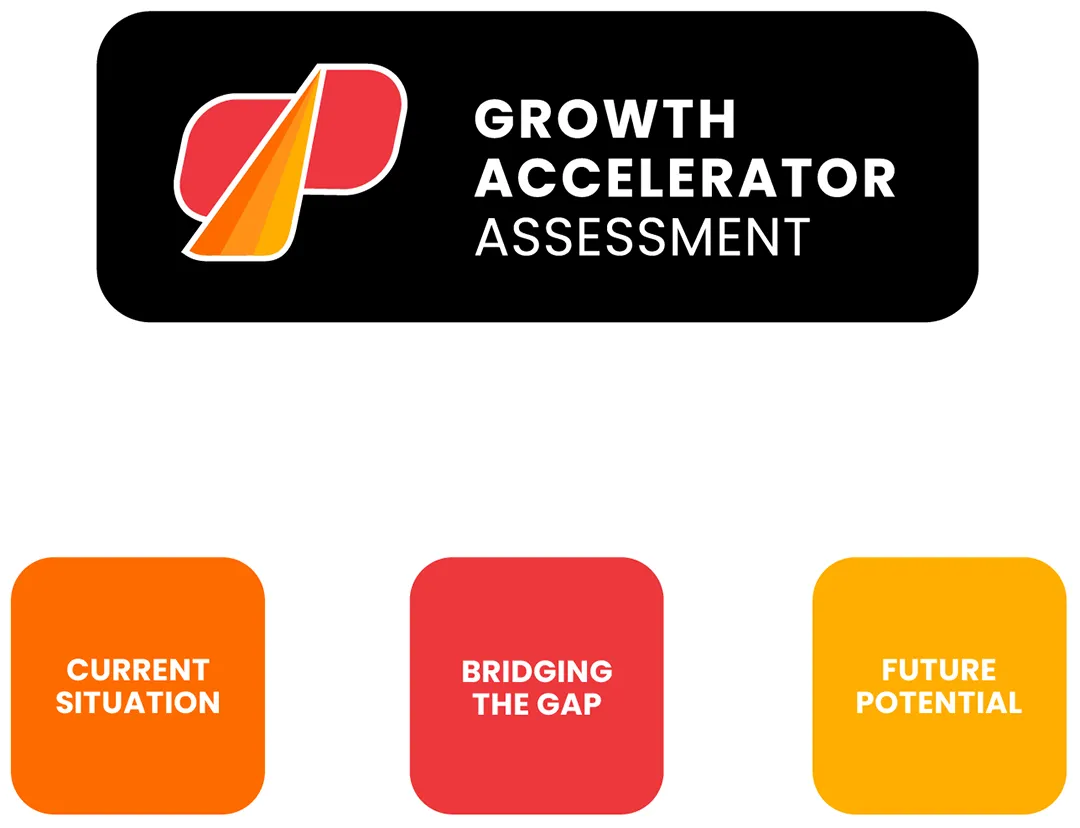
● A snapshot of your current marketing gaps
● Tailored insights and strategic recommendations
● Clear next steps to unlock smarter, faster growth
No obligation. Just 60 minutes of expert guidance to recalibrate your path to growth.
Email : natalie@beammarketing.au