You may recognise the symptoms. There's several scenarios, for example; someone decides:
“Our website looks old.” So you build a new one.
A few months later: “We need SEO.” So you hire an SEO company.
Then: “Our competitors are all over LinkedIn.” Better start posting.
Someone comes back from a conference: “We need video!” Call the videographer.
Then everyone starts talking about AI: “We need automation.” Quick! Automate something.
An advertising opportunity lands in someone's inbox.
A sponsorship looks interesting. Someone suggests a newsletter. The sales team wants a brochure. The Managing Director wants more leads.
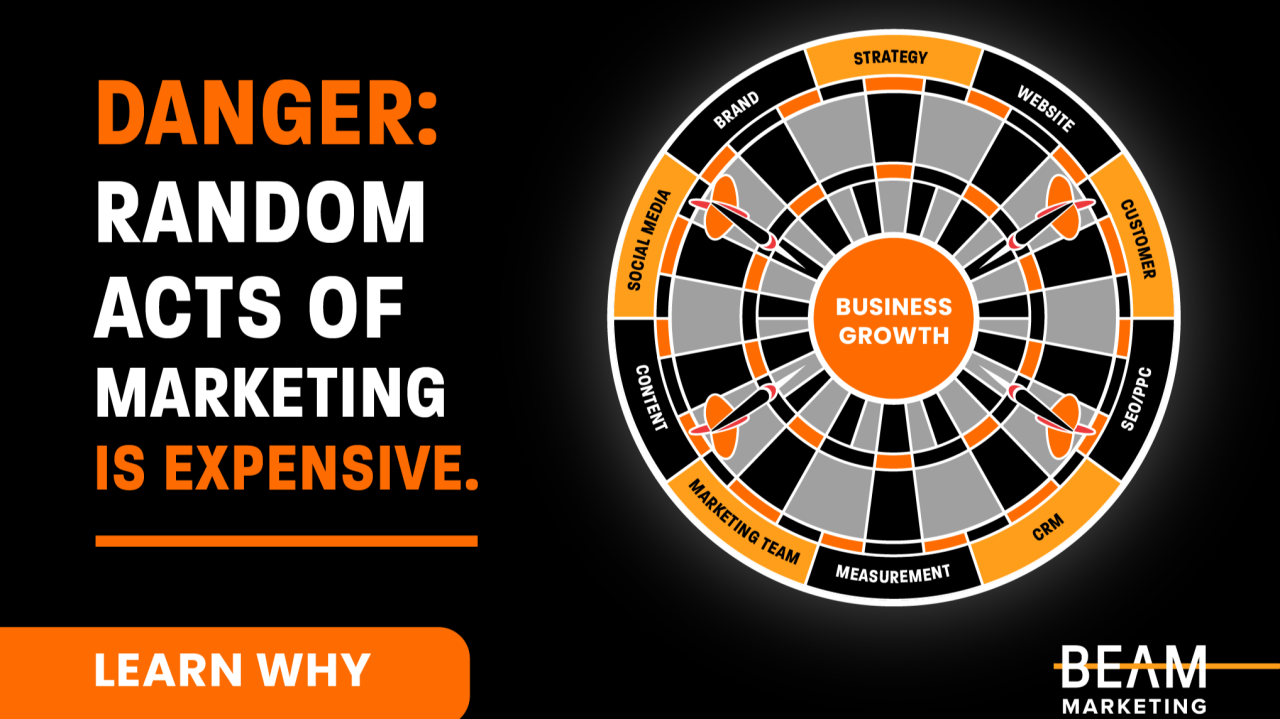
And suddenly you've got twelve different pieces of marketing happening. Everyone is busy. Money is certainly being spent. But there's one rather important question nobody has answered: What exactly are we trying to achieve?
The website might be excellent. The SEO company might be doing a perfectly good job. The LinkedIn posts might be generating engagement. The video might look fantastic. The sponsorship might even be a nice fit.
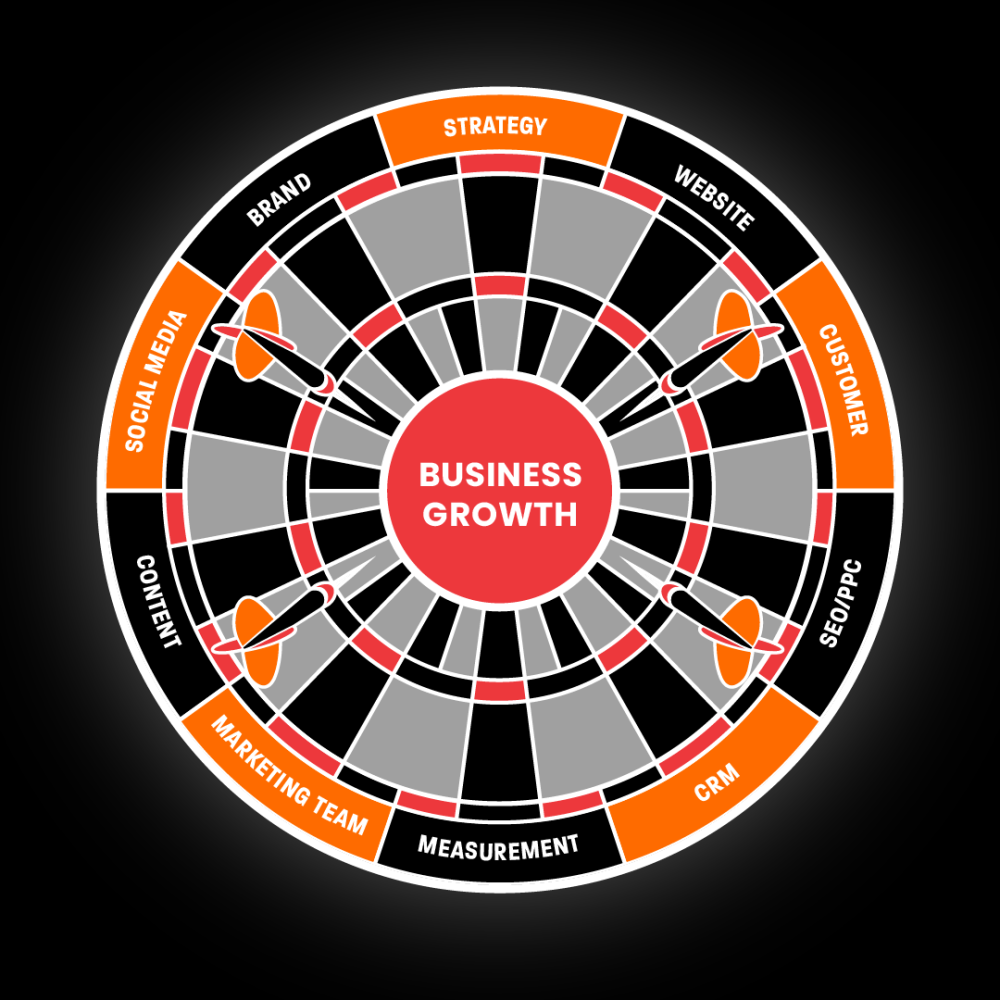
Individually, none of these things are necessarily wrong. The problem is that nobody has established how they fit together and for what commercial outcome.
Without those answers, you're not really executing a marketing strategy. You're doing marketing activity or tactics. There's a very big difference.
One of the reasons Random Acts of Marketing survive for so long is that they're often quite seductive. They're tangible.
You can see the new website. You can watch the video. You can count the LinkedIn posts. You can admire the new brochure. You can see the advertising. Everyone feels as though something is happening.
Strategy is less visible. But strategy is what determines whether all that activity is actually taking the business somewhere. Otherwise, twelve months later someone inevitably looks at the marketing expenditure and asks:
“What did we actually get for all that?” And that's when marketing starts being treated as an expense and it starts to create the impression that Marketing doesn't work.
Before choosing tactics, establish the commercial objective. If the business wants to grow revenue by 20%, where is that growth going to come from?
Once you know where the growth opportunity lies, marketing can be designed around achieving it. Now your choices become much easier.
Perhaps you do need SEO. Perhaps LinkedIn is absolutely the right channel. Perhaps the website genuinely needs rebuilding. Or perhaps none of those things should be the priority right now. That's what strategy gives you.
This is one of the most valuable things good marketing strategy provides. Businesses are bombarded with opportunities. New channels. New technology. New agencies. New advertising products. New events. New platforms. New AI tools. And, of course, whatever the competitor down the road has just started doing. You cannot do everything. Nor should you. A clear strategy gives you permission to say: No. Not because the idea is necessarily bad. Because it isn't a priority. That's a completely different conversation.
Before approving your next piece of marketing, ask:
1. What business objective does this support? If you can't answer that, stop.
2. Which customer are we trying to influence? “Everyone” is not an acceptable answer.
3. What do we want them to think or do? There needs to be an intended outcome and a clear journey.
4. How does this connect with our other marketing and sales activity? Marketing should work as a system.
5. How will we know whether it worked? Decide this before you spend the money - not afterwards.
If those five questions can be answered clearly, congratulations. You've probably moved beyond a Random Act of Marketing.
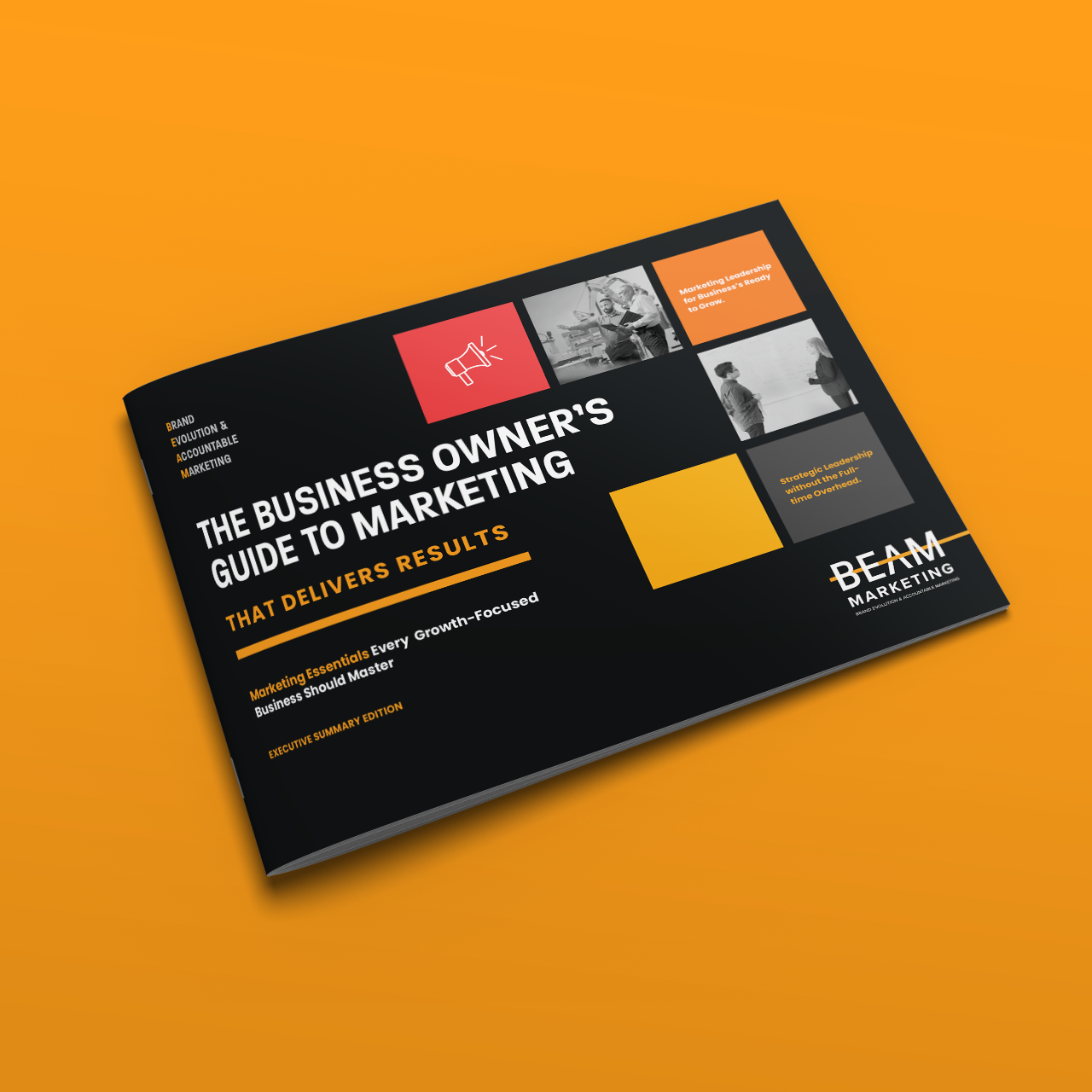
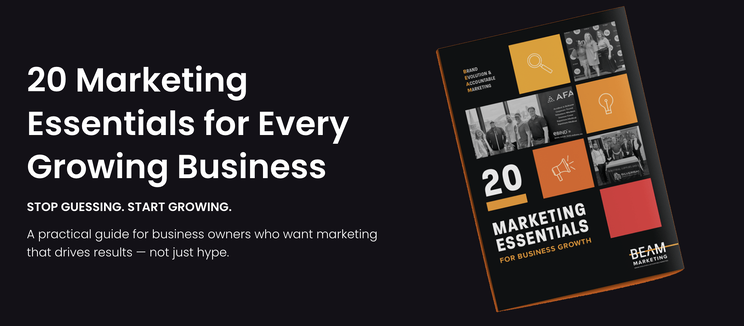
This is ultimately why I developed the 20 Marketing Essentials for Business Growth. There isn't one magic marketing tactic. Businesses need the right foundations working together.
Strategy. Brand. A sales-focused website. Competitive advantage. Customer understanding. SEO and PPC. Social media. Brand story. An ongoing marketing program. CRM.Measurement. The right marketing capability. Content. Partnerships. AI and automation. Personalisation. Proof. Customer experience. And an appropriate budget.
Not every business needs the same level of investment or activity. But they should understand how the pieces connect. Because the objective isn't to do more marketing. It's to build a marketing system that contributes to business growth.
So the next time somebody walks into your office and says: “I've got a great marketing idea…” ..hear them out but then ask: “Which part of our growth strategy does it support?” If nobody knows... perhaps leave the company credit card in the drawer.
Download our free 20 Marketing Essentials for Business Growth e-guide and assess the foundations behind your marketing. It may reveal some uncomfortable gaps. Better to find them before you spend the next marketing dollar.
DOWNLOAD THE 20 MARKETING ESSENTIALS E-GUIDE
Natalie Potter Fractional CMO | BEAM Marketing
Start here:
Email : natalie@beammarketing.au
When you truly know your customer, growth stops being guesswork.