Your website isn’t a branding exercise. It’s not a portfolio.
And it’s definitely not “done” once it looks good.
Your website is your hardest-working sales asset. It operates 24/7, speaks to prospects before your team does, and often determines whether a buyer ever contacts you.
If your website isn’t actively generating leads, building trust and moving prospects towards a decision, it’s not doing its job.
Most websites fail for one simple reason:
They’re designed for the business — not for the buyer.
They focus on:
Instead of:
A sales-focused website flips that thinking on its head.
A high-performing website:
It doesn’t rely on luck or hope. It’s engineered for conversion.
Design matters — but design without strategy is just decoration.
Common mistakes we see:
If visitors have to work to understand what you do or why you matter, they won’t.
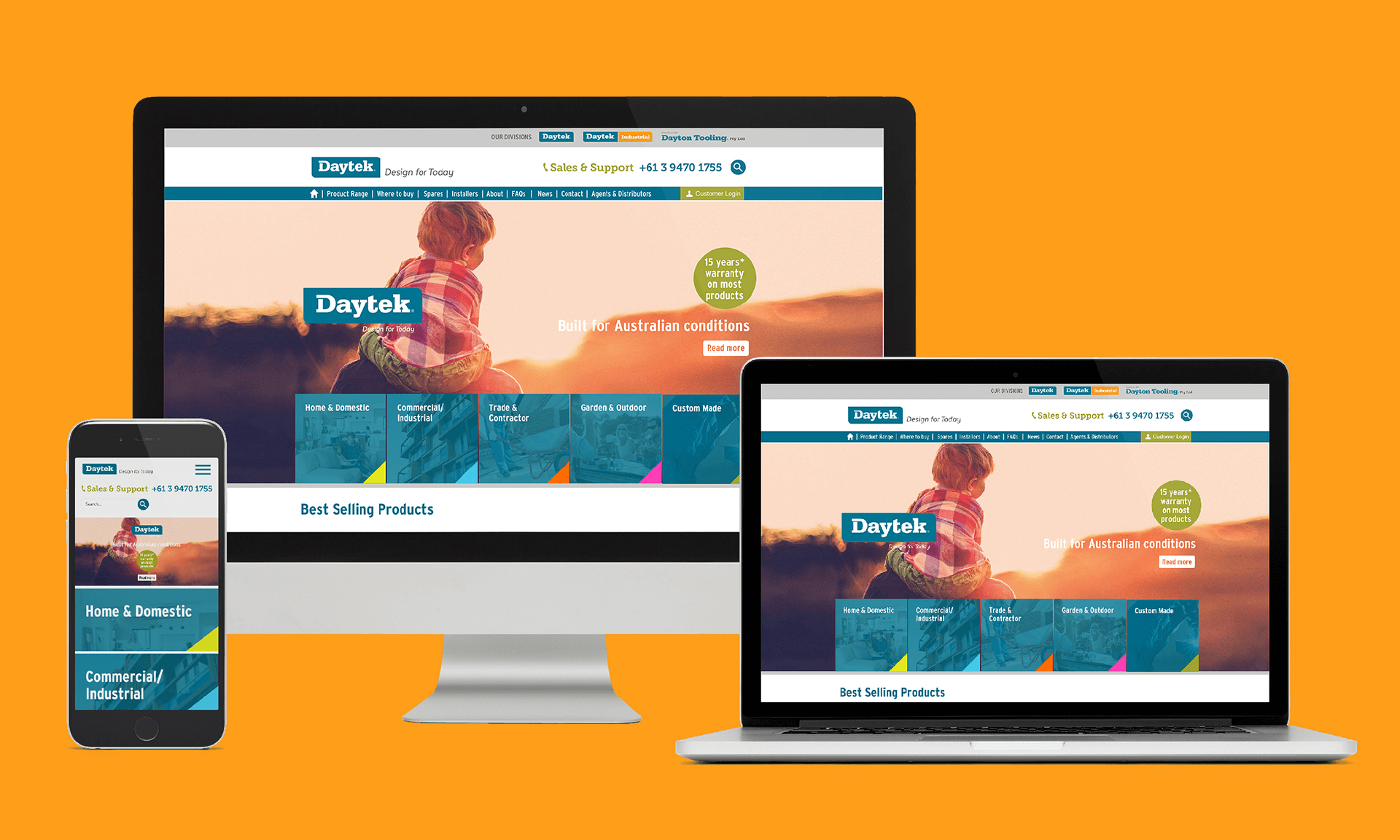
More than half of website traffic is mobile. If your site isn’t fast, responsive and easy to navigate on a phone, you’re losing leads before they read a word. Use heat-mapping tools to understand how users actually interact with your site — not how you think they do.
Lead With Your Value Proposition
Above the fold, answer three questions immediately:
Clarity beats clever every time.
Use Clear, Intentional Calls-to-Action (CTAs)
Every page should guide the visitor toward one primary action:
If everything is important, nothing is.
Testimonials, case studies, client logos, certifications and results are not optional — they’re conversion tools. Buyers want evidence before they commit. Give it to them.
A sales-focused website must be discoverable. This means:
Visibility without conversion is wasted traffic. Conversion without visibility limits growth. You need both.
“If your website isn’t generating leads, building trust, and converting visitors — it’s just a pretty piece of art.”
— Neil Patel
Modern buyers research extensively before they contact sales. Your website must support every stage of that journey:
If your website doesn’t answer buyers’ questions, they’ll find answers elsewhere — often from your competitors.
A sales-focused website requires strategic oversight. It’s not something to hand off entirely to a designer or a developer. This is where a Fractional CMO adds real value — by aligning brand, messaging, UX, SEO and conversion strategy with commercial goals. At BEAM Marketing, websites are treated as revenue assets, not creative projects.
Ask yourself honestly:
If the answer is no (or “sometimes”), your website is costing you growth.
Natalie Potter, Fractional CMO at BEAM Marketing, helps businesses transform underperforming websites into high-converting growth assets.
Start the conversation:
Email : natalie@beammarketing.au